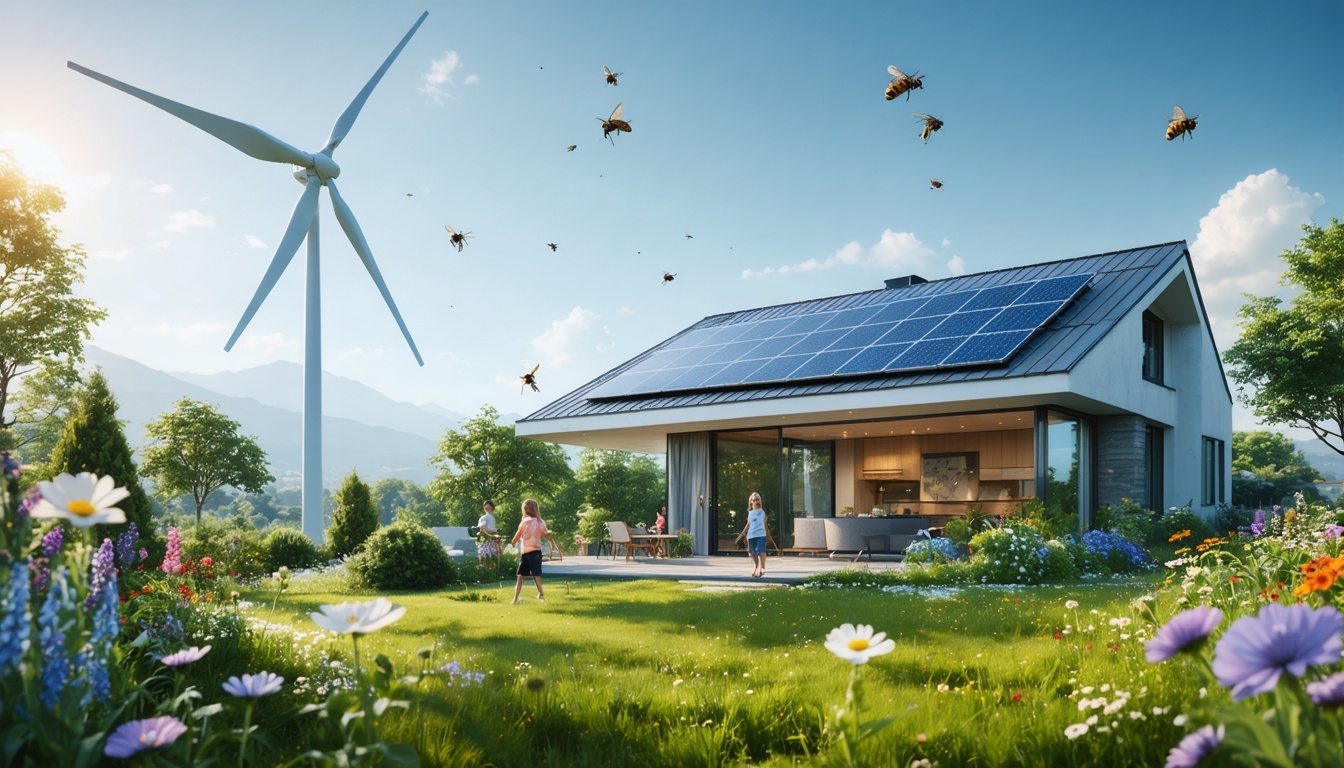
The Environmental Benefits of Choosing Renewable Energy at Home
Switching to renewable energy for home use entails implications that extend beyond the immediate financial aspects of energy bills. By utilizing sources such as solar, wind, or other sustainable energy forms, individuals can play a role in reducing pollution and conserving natural resources. This shift contributes to a longer-term vision of environmental sustainability and promotes a healthier ecosystem. Moreover, the transition to renewable energy can have socio-economic impacts. Communities that adopt renewable energy technologies may experience increased local economic activity due to new job creation in installation, maintenance, and related services. Furthermore, investing in renewable energy can lead to decreased dependence on fossil fuels, potentially resulting in greater price stability and less market volatility in energy costs. Additionally, renewable energy sources typically have lower operational costs once established, which can result in long-term savings for homeowners. The reduction in energy bills over time may improve financial stability for families. From a public health perspective, less reliance on fossil fuels and a reduction in greenhouse gas emissions contribute to improved air quality, which can consequently lead to better health outcomes for the community. Overall, the decision to switch to renewable energy carries multifaceted advantages that encompass environmental, economic, and health-related aspects.
What Is Renewable Energy and How Does It Work
Renewable energy is generated from natural resources that are naturally replenished at a rate that exceeds their consumption. Major sources include solar energy, wind energy, hydropower, biomass, and geothermal energy.
In residential applications, technologies such as solar panels, heat pumps, and small wind turbines are increasingly adopted to shift away from fossil fuel reliance toward more sustainable energy options. For residents in Cape Coral, Cape Coral Solar Installers can provide expert guidance on selecting and installing solar energy systems tailored to local needs.
The production of renewable electricity is notable for its low greenhouse gas emissions and reduced air pollution when compared to traditional energy sources. Efforts to reach Net Zero emissions, whether initiated at the municipal level or within households, contribute significantly to the decrease of carbon dioxide emissions.
Additionally, sustainable energy systems can generate economic advantages, including the creation of jobs and improvements in local air quality.
In the United States, for example, the expansion of wind energy, combined with the implementation of tax incentives and the increasing use of electric vehicles, is essential in the effort to curtail carbon emissions and promote a transition toward a more sustainable energy landscape.
Reduction of Greenhouse Gas Emissions
The installation of solar panels and wind turbines for residential energy generation plays a significant role in reducing greenhouse gas emissions. Transitioning from fossil fuels to renewable energy sources for electricity and heating allows homeowners to markedly lower their carbon emissions.
This shift is important for achieving global Net Zero targets, as research shows a notable reduction in millions of metric tons of carbon dioxide emissions annually as a result of increased renewable energy usage.
Renewable energy technologies generally produce far lower greenhouse gas emissions compared to conventional power plants that depend on fossil fuels. Moreover, other measures, such as the implementation of heat pumps and the transition to electric vehicles, further enhance the reduction of emissions linked to energy consumption.
Government support for the adoption of cleaner energy sources often includes tax credits and various incentives aimed at promoting investments in renewable technologies.
The shift to renewable energy not only provides environmental advantages but may also lead to the creation of new employment opportunities and stimulate economic growth within related industries.
In summary, the integration of renewable energy systems represents an essential element of comprehensive strategies designed to address climate change challenges while enhancing the sustainability of energy use.
Improvement of Air and Water Quality
The reliance on fossil fuel-based energy sources has been linked to negative impacts on air and water quality.
Moving towards renewable energy sources, including solar panels, wind turbines, heat pumps, and electric vehicles, has the potential to improve these environmental metrics. Renewable energy takes advantage of natural resources and generally results in lower greenhouse gas emissions, which can contribute to decreased air pollution and a reduction in carbon dioxide levels.
Adopting sustainable practices in conjunction with contemporary electricity generation methods supports the reduction of carbon emissions and is aligned with efforts to meet Net Zero targets.
Furthermore, engaging in energy efficiency programs and leveraging available tax incentives can help lessen the adverse effects associated with fossil fuel supply chains while promoting improved water quality.
Collectively, these steps can contribute to a healthier environment and may enhance economic resilience by addressing public health challenges related to pollution.
Support for Biodiversity and Ecosystems
Transitioning to cleaner energy sources in residential settings can lead to a reduction in greenhouse gas emissions and the support of wildlife habitats. The adoption of renewable technologies, including solar panels, wind turbines, and heat pumps, enables the generation of electricity and heat with minimal or no greenhouse gas emissions. This shift from fossil fuels helps to mitigate the environmental degradation often associated with their extraction and use, thereby reducing carbon dioxide emissions and improving air quality.
The transition to sustainable energy contributes to conservation efforts by decreasing reliance on traditional power plants that typically utilize fossil fuels. This reduction can benefit biodiversity, as habitats are less affected by the extraction processes involved in fossil fuel production.
Furthermore, an increasing number of households in the United States are employing renewable energy sources for their energy needs, which can enhance the sustainability of various ecosystems.
In conclusion, the transition to renewable energy aligns with environmental objectives by supporting efforts to mitigate climate change while also aiding in the preservation of biodiversity. Changes in residential energy consumption patterns indicate a potential path toward more sustainable communities.
Enhancing Energy Independence and Security
Global energy markets are subject to price variability and concerns regarding supply stability, which can impact consumers. Individuals can enhance their household’s energy independence by opting for renewable energy sources. The installation of solar panels, wind turbines, or heat pumps facilitates the generation of electricity and heat from sustainable resources, aiding in the transition away from fossil fuels and contributing to reductions in carbon emissions.
Implementing renewable energy solutions at the household level can alleviate risks related to supply chain disruptions and has been shown to improve air quality. Furthermore, these measures support national Net Zero targets and can positively influence local economies and urban environments.
Renewable energy options provide households with increased control over their energy requirements, which can lead to a decrease in greenhouse gas emissions. This effort is significant for developing climate resilience within the United States and on a global scale.
Adopting renewable technologies is a necessary step towards achieving sustainable energy independence and addressing broader environmental challenges.
Economic and Health Advantages of Clean Energy
The implementation of clean energy solutions in residential environments can have a notable impact on both financial savings and public health. Transitioning to renewable energy sources such as solar panels, heat pumps, and wind turbines facilitates cleaner electricity generation, which can lead to reduced utility costs over the long term.
Adopting electric vehicles (EVs) and sustainable fuel alternatives helps decrease carbon emissions and lessens air pollution, ultimately improving air quality in urban areas and residential locations.
These practices align with broader environmental objectives, including achieving Net Zero emissions and decreasing overall greenhouse gas emissions. Additionally, the clean energy sector often requires more labor, producing approximately three times the number of jobs compared to fossil fuel industries.
Tax incentives for investments in renewable energy can enhance financial returns for consumers and contribute to environmental improvements, providing a strong rationale for the adoption of clean energy technologies.
Conclusion
Selecting renewable energy sources for residential use is a decision that has several tangible benefits for both the environment and the local economy. One significant advantage is the reduction of greenhouse gas emissions associated with traditional fossil fuels. By opting for renewable energy, homeowners can decrease their carbon footprint, contributing to efforts to mitigate climate change. In addition to lowering emissions, renewable energy also aids in the conservation of finite natural resources. Resources such as coal and oil are becoming increasingly scarce, whereas renewable sources like solar, wind, and hydropower are abundant and sustainable over time. This shift not only preserves these resources for future generations but also reduces dependence on imported fuels. Moreover, investing in renewable energy can have positive repercussions for the local economy. The growth of the renewable energy sector can lead to job creation in installation, maintenance, and related industries, helping to bolster local employment rates. In furtherance of these environmental and economic benefits, renewable energy systems can enhance air quality. By decreasing reliance on fossil fuels, which are primary contributors to air pollution, renewable energy sources can lead to improved health outcomes for communities. As technology continues to evolve, the efficiency and affordability of renewable energy systems are expected to improve, making these options more accessible to a broader range of households. This transition supports long-term sustainability and aligns with global efforts to promote cleaner energy sources. Overall, the decision to incorporate renewable energy into residential settings can lead to measurable environmental improvements, economic benefits, and advances toward a sustainable future.